What the IP68 Rating on Your Phone Actually Means
Have you ever been researching a phone to buy, or reading about one, and you see the letters IP68 written next to the words water and dust resistant and wonder what it actually means? Even though most people encounter this rating first through smartphones, it is actually a standard used across all kinds of electronics, so understanding it will help you wherever you see it and might even guide a buying decision outside of phones
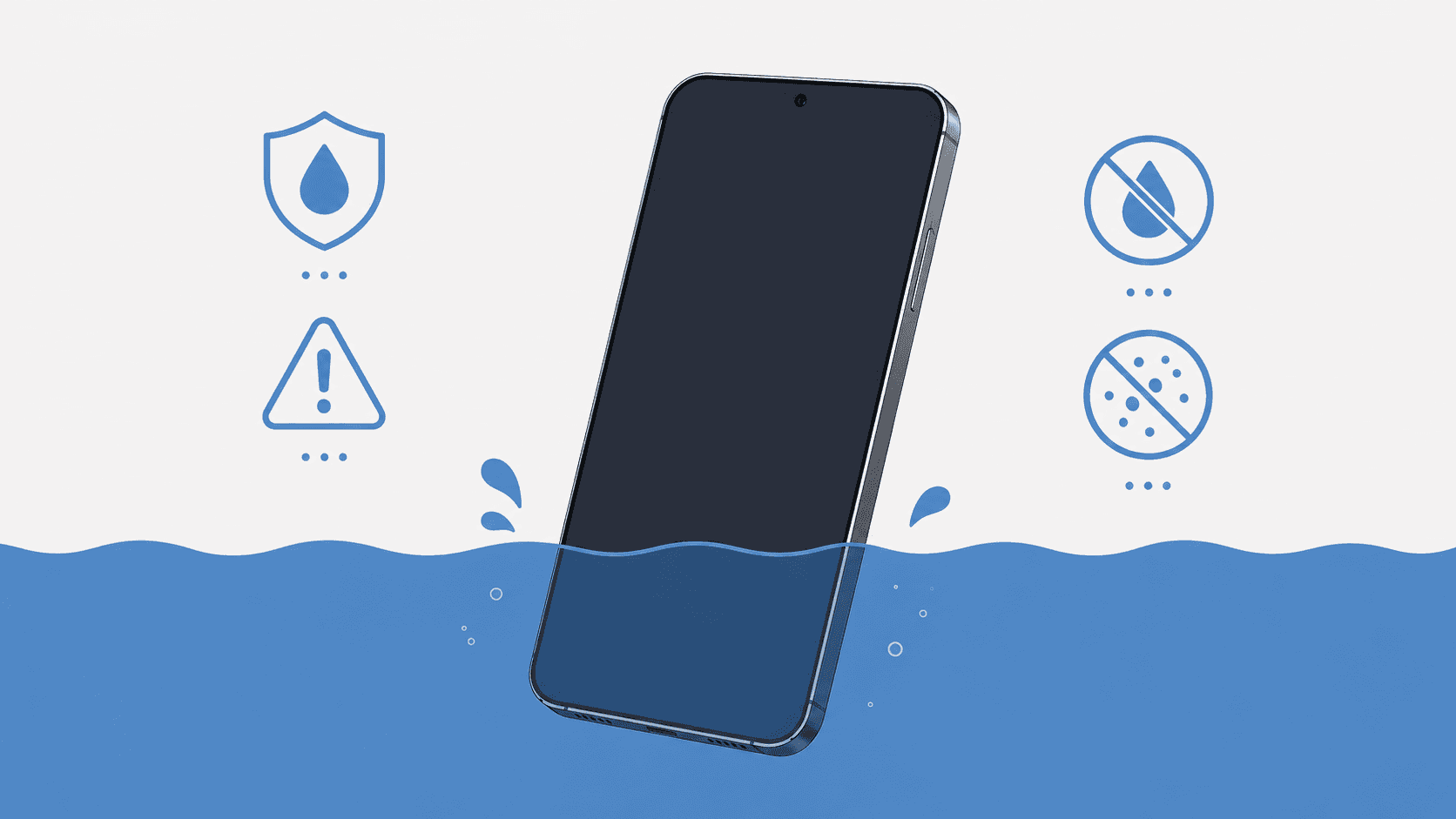
Have you ever been researching a phone to buy, or reading about one, and you see the letters IP68 written next to the words water and dust resistant and wonder what it actually means? Most smartphones today carry this rating, and brands love to put it on their spec sheets. It shows up in ads, it gets mentioned in YouTube reviews, and it is usually one of the things listed on the display cards in phone stores. It has come to be regarded as a sign of solid protection, and it is, to a point, but it does not tell the whole story. It is worth knowing the whole story before you trust your device around water. Even though most people encounter this rating first through smartphones, it is actually a standard used across all kinds of electronics, so understanding it will help you wherever you see it and might even guide a buying decision outside of phones. Let us start with what the abbreviation and the numbers that follow actually mean.
What IP Actually Stands For
IP stands for Ingress Protection. It is an international standard, not something brands invented for marketing. The rating tells you how well a device is sealed against two things: solid particles like dust and dirt, and liquids like water. The rating always comes as two numbers after the letters IP, and each number is telling you something different.
The first number covers solids. It runs from 0 to 6. A 0 means no protection at all, and a 6 means the device is completely sealed against dust, nothing gets in. Most modern flagship phones hit a 6 here, and other electronics that require it do too.
The second number covers liquids. It runs from 0 to 9. A 0 means no protection, and an 8 means the device can be submerged in water beyond one metre for a prolonged period. The exact depth and duration are defined by the manufacturer themselves, which is something we will come back to.
So IP68 means fully dust tight and submersible beyond one metre. On paper, that sounds like serious protection. The image below shows all the levels and what they actually mean.
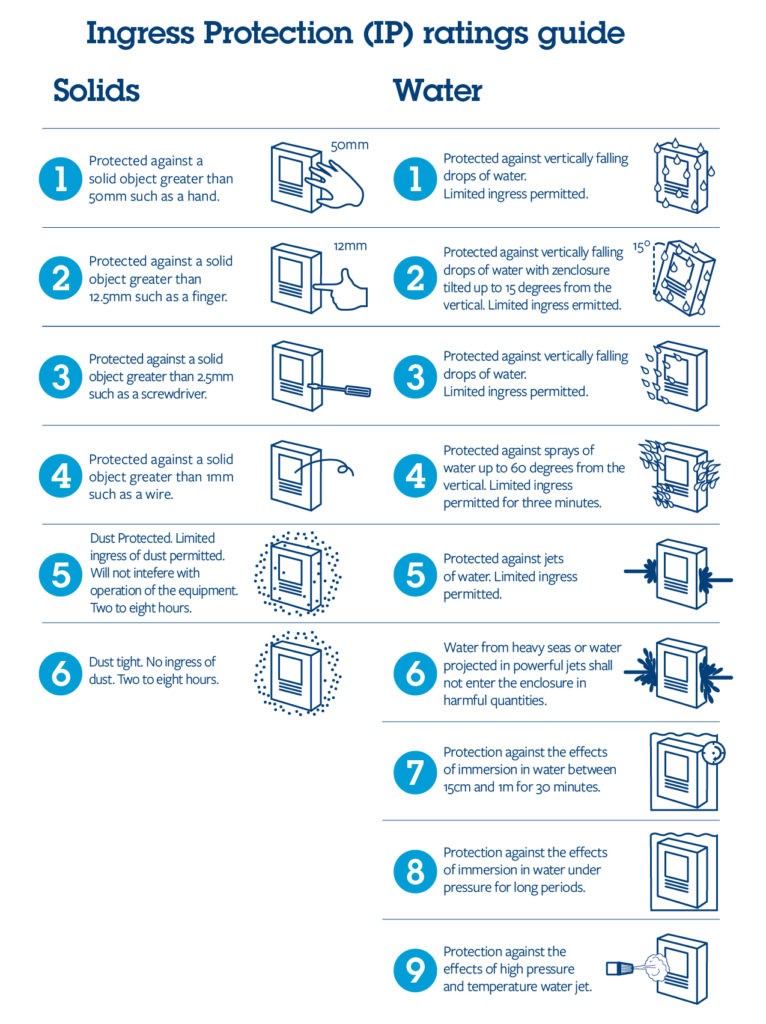
Image credit: Element Materials Technology
The Part They Leave Out
Here is where it gets interesting. The test that earns a device its IP68 rating is done in a lab, in clean, fresh water, under controlled conditions, on a brand new device. The rating does not account for saltwater, chlorinated pool water, or soapy water. It also does not account for what happens to that seal after six months of daily use, after a drop, or after a repair.
Water resistance can degrade over time. The seals and adhesives that keep water out wear down, so a device that earned its IP68 rating on day one may not perform the same way on day three hundred. No brand can tell you exactly when the protection starts to weaken, because that depends entirely on how you use the device.
There is also the repair problem. Repairs can compromise water resistance, especially if the device is not properly resealed afterwards. Even official service centres that replace seals and reapply adhesive cannot re-certify the rating, and third party repairs are even less predictable. Most manufacturers are upfront about this in their fine print, which almost nobody reads.
Most manufacturers also do not cover water damage under warranty, even on IP68 rated devices, and most consumers do not know this until it is too late. Samsung found this out the hard way when they were taken to court in Australia over misleading water resistance claims on several Galaxy models. They admitted in court that submerging those phones in a pool or the ocean could corrode the charging port and make the device inoperable, despite the IP68 rating on the box. The rating is a feature, not a guarantee, and the fine print(that no one reads) usually makes that very clear.
The Numbers That Can Confuse You
A common point of confusion is IP67 versus IP68. Both are fully dust tight, the 6 is the same, but the difference is in the water protection. IP67 means the device can be submerged in up to one metre of water for up to thirty minutes. IP68 goes beyond one metre, with the exact depth and duration set by the manufacturer. So IP68 is the higher standard for submersion, but both ratings are certified under the same controlled lab conditions, which means the same limitations apply to both.
If you see an X on a spec sheet, for example IPX8, the X just means that particular category was not tested. It does not mean there is zero protection, just that the manufacturer did not submit it for that test. So if a device is rated IPX4, like some audio devices are, it has water protection at level 4, but dust and particles were not tested. Flip it around and IP4X means the opposite, protected against solids up to level 4, but liquids were not tested.
There are also more specialised ratings that exist beyond what is covered here, but these appear almost exclusively on industrial machines and equipment. If you are a regular consumer buying phones, laptops, earbuds, or speakers, the ones worth knowing are IP67, IP68, and the X notation, and this article has covered all of them.
What This Means for You
IP68 is not a reason to be careless with your devices around water. It is a reasonable safety net for accidental splashes, rain, and the occasional brief drop, but it is not a reason to take your phone swimming, use it in the shower regularly, or assume it will survive every water-related accident without consequence.
If your phone or any rated device has been repaired, opened, or dropped hard, treat it like the water resistance protection has degraded, because it probably has, and it is always better to be safe than sorry.
Long Story Short
IP68 is real protection and it is genuinely useful, but it is certified under controlled lab conditions on a brand new device. As you probably already know, real life is not a lab. The seal can wear down, repairs can compromise it, most warranties will not cover water damage, and the rating itself does not cover every type of water exposure. Keep these in mind in your daily usage and your devices will last longer.