Apple's Ecosystem
Apple's ecosytem is a major reason why a lot of enthusiast buy the iphone, but what exactly makes a tech ecosystem?
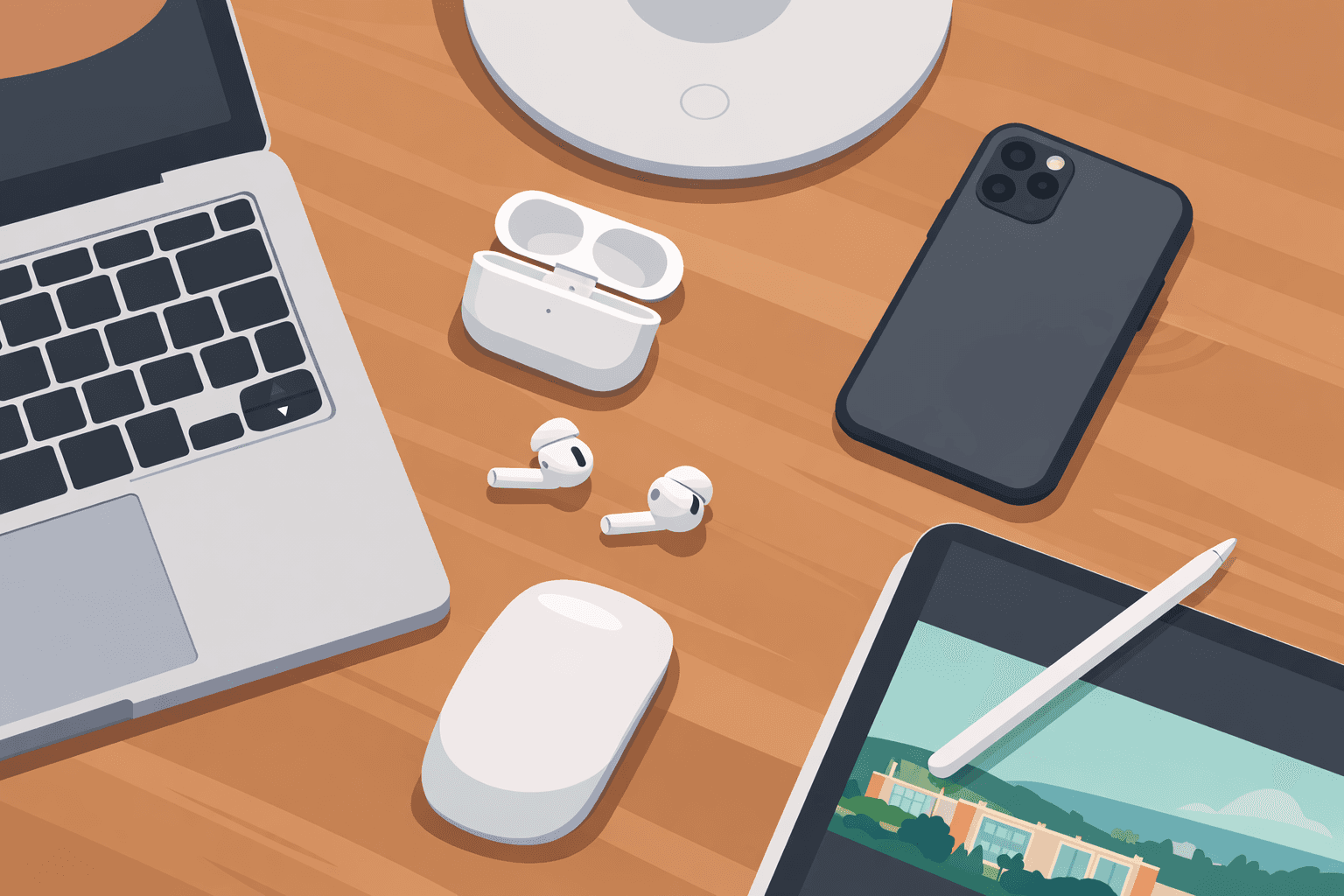
Ever wondered why iPhones hold such a loyal following? Ask an average user, and you might hear praises for camera quality, better app optimization, or even a simple "it just feels better". Tech enthusiasts, however, often cite the Apple ecosystem as a major reason for picking it over an android device. But what exactly is this ecosystem, and why does it matter?
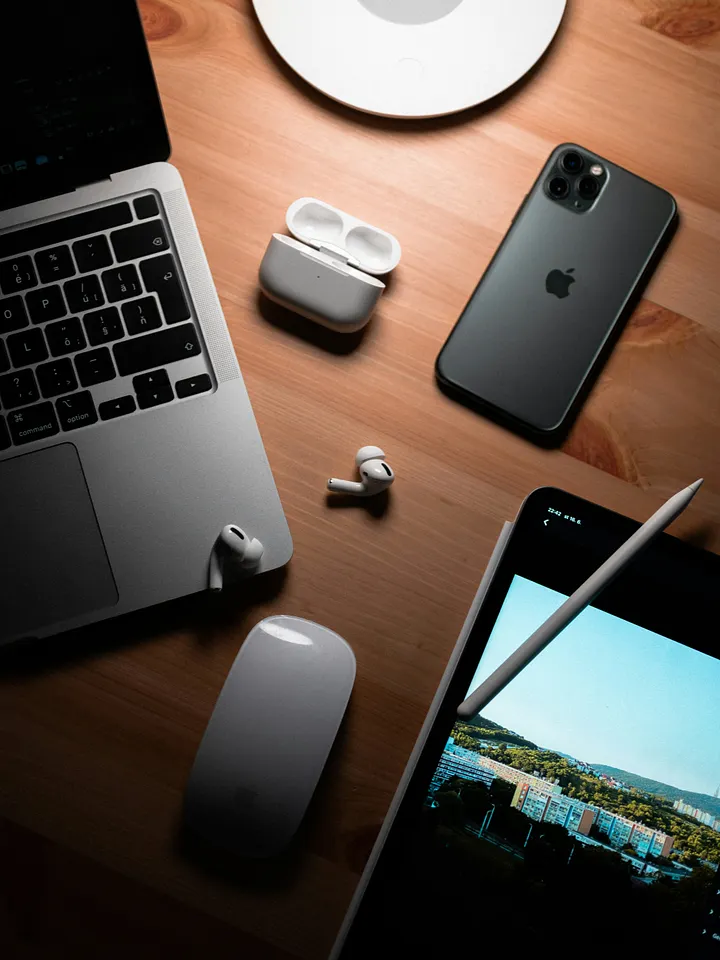
Photo credit: Michal Bajus on Unsplash
The literal definition of an ecosystem, according to a quick Google search, is "a biological community of interacting organisms and their physical environment”. However, in this context, an ecosystem is a group of devices and services from a particular manufacturer and how they complement and work together. The Apple ecosystem refers to Apple’s digital range of products and includes its range of devices such as iPhones, iPads, MacBooks, Apple Watches, AirPods, HomePods, and various software and services like Apple Music, iMessage, Apple Pay, and Apple Cash, among others.
Most Apple products are designed to unlock extra features when used alongside other Apple products, unlike alternatives. This is a significant incentive that fosters user loyalty to the Apple brand. Thus, even when better or more reasonably priced alternatives exist, someone with other Apple products might find it more sensible to opt for an Apple product due to its better pairing and seamless integration with their existing gadgets.
Apple isn't the only company with a wide range of products and services. Big companies like Samsung, Google, Huawei, and others also make a variety of hardware, software, and services to complement their devices. Still, the Apple ecosystem is considered superior to all of these, and this isn't because of the impressive number of devices and services that they offer, because it's nowhere close to companies like Samsung that manufacture all kinds of electronic devices ranging from home appliances like washing machines to even military vehicles. But simply because their products offer a consistent experience and are built to complement each other so well that it becomes almost impossible to use anything else, the level of synchronisation between the iPhone, iPad, and MacBook is miles ahead of even the closest competitors. This, coupled with Apple's leads in some market segments, has given Apple a key competitive edge.
This dominance hasn't gone unchallenged. Rivals like Google and Samsung have made considerable strides to enhance their ecosystems but struggle to match Apple's finesse. One primary factor is Apple's meticulous control over both hardware and software. While sourcing materials externally, Apple conducts the majority of its production in-house, boasting proprietary advancements like the mobile bionic and M-series chips.
However, competitors have intensified their efforts to narrow this gap. Google's foray into developing its mobile chip and Samsung's concerted focus on refining PC offerings to integrate seamlessly with smartphones are noteworthy advancements among others. This sense of healthy competition breeds more innovations that can benefit consumers across brands.
In essence, the pursuit of ecosystem perfection drives innovation among tech giants, ultimately benefiting users irrespective of brand loyalty